
iRacing Licenses: How to Move From Rookie to Class A
Learn how iRacing licenses work, including Safety Rating, promotion requirements, demotions, and a practical Sports Car route from Rookie through Class A.
Jump to
How Do iRacing Licenses Work?
iRacing licenses determine which ranked series you can enter, putting cleaner driving at the center of your progression. Moving up opens more racing options, including faster cars and demanding multiclass events. To earn a promotion, you need both a high enough Safety Rating and completed participation requirements.
The regular progression ladder runs Rookie → D → C → B → A. Each series specifies its entry requirements, so your license helps determine where you can race.
You have separate licenses in five disciplines:
- Oval: Pavement oval racing, including NASCAR competition.
- Sports Car: Racing that includes the Mazda MX-5, GT cars, and sports prototypes.
- Formula Car: Open-wheel competition, including Formula Vee and higher formula categories.
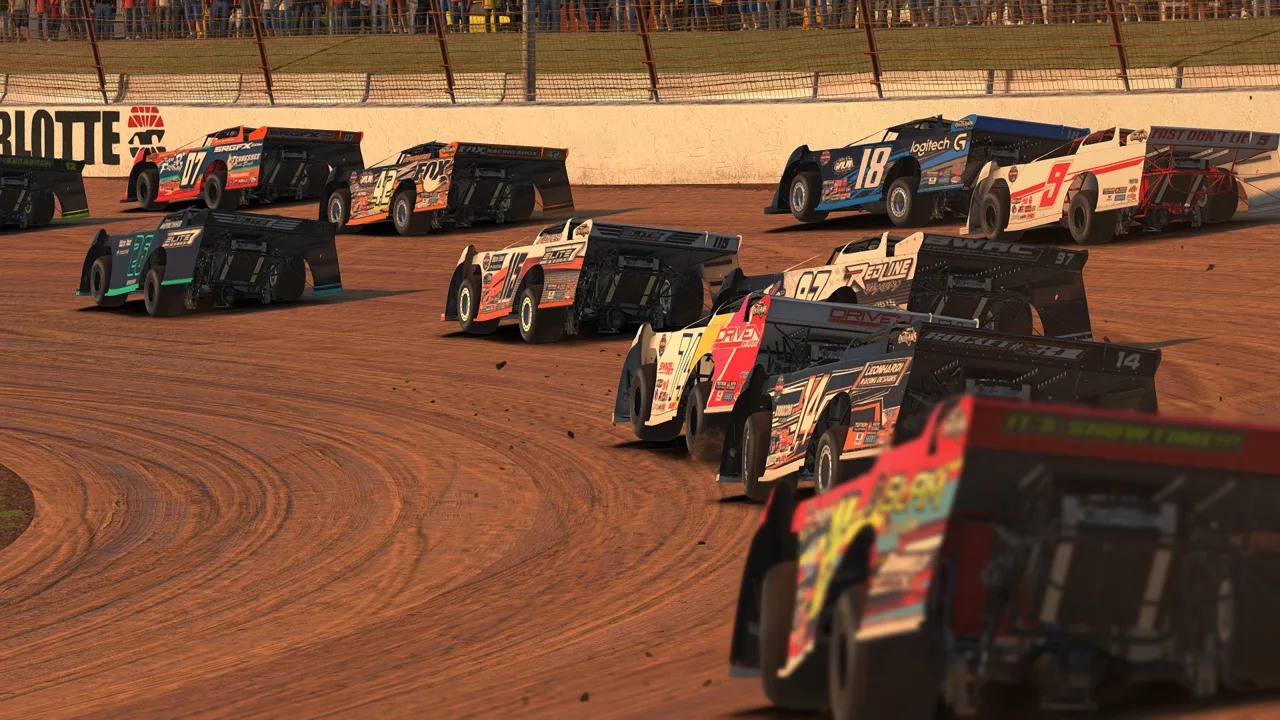
- Dirt Oval: Dirt-track racing with sprint cars.
- Dirt Road: Competition that includes rallycross.
Progress in one discipline does not automatically advance another. An A-class Sports Car license does not give you an A-class Formula Car license.
Sports Car and Formula Car became separate license categories with the 2024 Season 2 update. Older references to a single Road license describe the system before that split.
Official page: iRacing (iracing.com)
Safety Rating vs. iRating: What Actually Gets You Promoted?
Safety Rating and iRating measure different parts of your driving. Understanding the distinction helps explain why a strong finish can still leave you farther from a promotion.
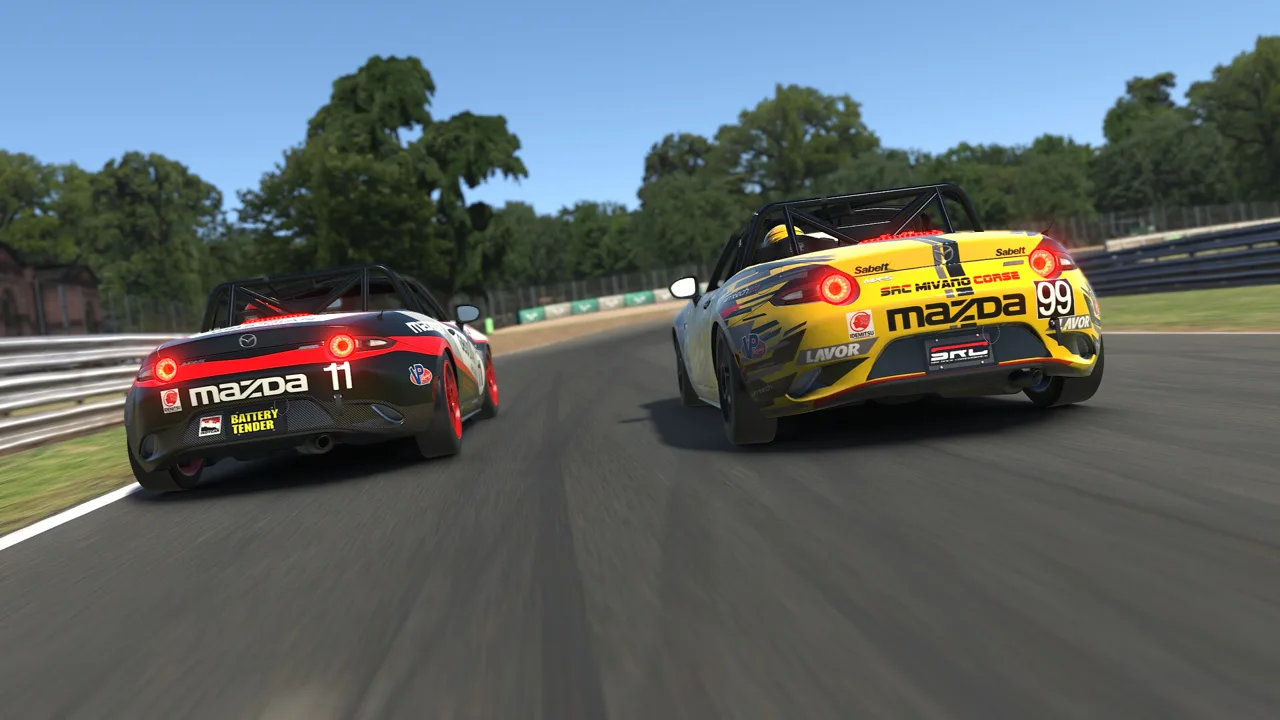 Image: Steam / iRacing.com Motorsport Simulations
| Measure | What affects it | What it does |
|---|---|---|
| Safety Rating, or SR | Completed corners, incident points, license class, and driving history | Determines whether you meet the safety requirement for promotion |
| iRating, or iR | Race results relative to the ratings of competitors in your split | Helps match drivers of similar competitive ability |
| Minimum Participation Requirement, or MPR | Completing eligible events | Satisfies the participation requirement for promotion |
How Safety Rating Works
SR reflects your safety record across a rolling history. Completing corners with few incident points improves that record; repeated mistakes work against it.
Common incident values include:
- 1x: An off-track.
- 2x: A loss of control.
- 4x: Car contact.
Your adjustment also depends on your existing history and license class. Two drivers can finish the same race with the same incident total and receive different SR changes.
Winning does not replace clean driving. A race full of off-tracks and contact can hurt your safety record even when your finishing position improves your iRating.
Longer races provide more opportunities to complete clean corners, but they also provide more opportunities to make mistakes. Pick a race length you can finish with consistent concentration.
What iRating Changes
iRating measures competitive performance relative to your opponents. Your finishing position matters in the context of the other drivers’ ratings, rather than producing a fixed reward for each position.
You do not need a particular iRating to earn a normal Rookie-to-A license promotion. Focus on SR and MPR when checking promotion eligibility; use iRating to understand the competitive field you are racing against.
Promotion Requirements, Fast Tracking, and Demotions
Promotion requires both the participation requirement and the appropriate SR threshold. Reaching the rating alone leaves the job unfinished.
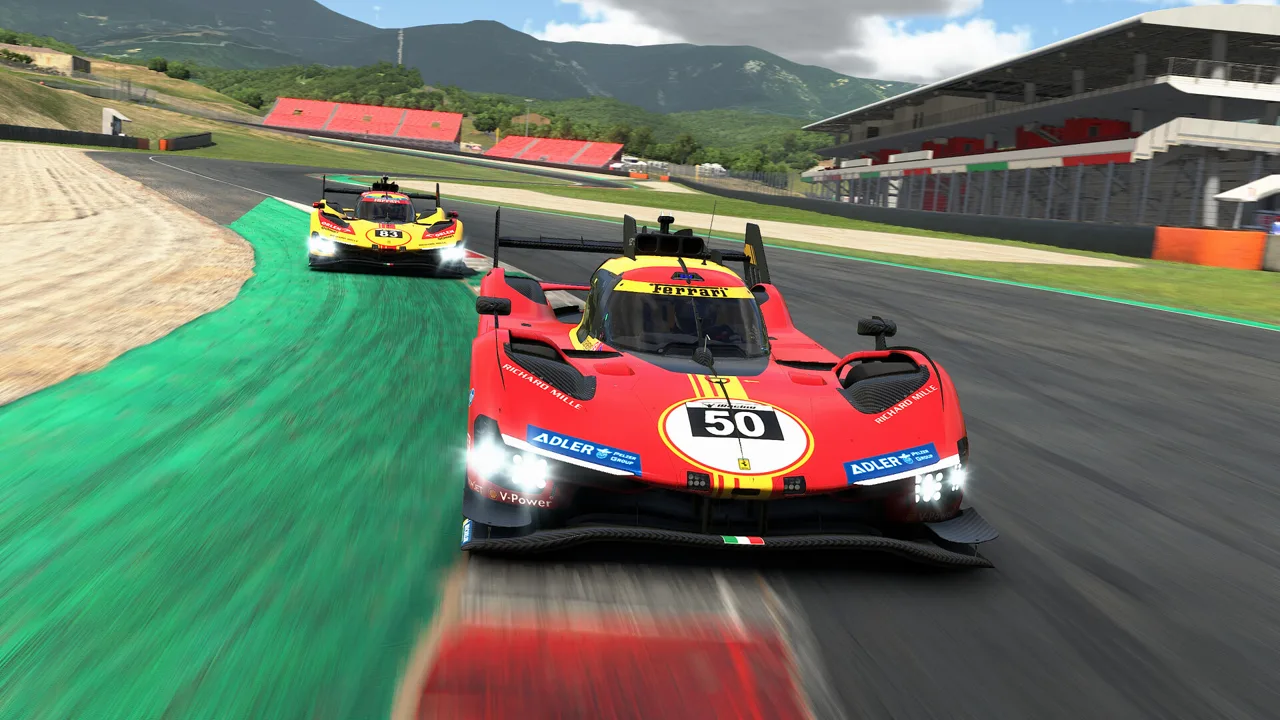 Image: Steam / iRacing.com Motorsport Simulations
| Promotion | Participation requirement | Immediate promotion | Season-end promotion |
|---|---|---|---|
| Rookie → D | Two eligible races or four completed eligible Time Trials | SR of 3.0 or higher | Rookie promotion happens immediately once requirements are met |
| D → C | Four eligible races | SR of 4.0 or higher, with MPR complete | SR of 3.0 or higher, with MPR complete |
| C → B | Four eligible races | SR of 4.0 or higher, with MPR complete | SR of 3.0 or higher, with MPR complete |
| B → A | Four eligible races | SR of 4.0 or higher, with MPR complete | SR of 3.0 or higher, with MPR complete |
Look for the green MPR icon in the UI when choosing events. It identifies series that can fulfill your participation requirement.
For progression beyond Rookie, the distinction is straightforward:
- At 3.0 SR or higher: Complete MPR and maintain the required rating through the season transition.
- At 4.0 SR or higher: Complete MPR to receive a fast-track promotion during the season.
If your rating reaches the threshold and nothing happens, check your participation progress and the discipline you have selected.
Can You Lose a License Class?
Yes. For classes subject to demotion, an SR below 2.0 triggers a season-end demotion, while an SR below 1.0 triggers an immediate demotion.
Keep practicing after a promotion. Higher license classes apply stricter safety standards, so maintaining your new class requires continued clean driving.
A is the top of the regular progression ladder discussed here. Pro and World Championship competition also exist beyond that everyday progression.
A Sports Car Route From Rookie to Class A
Choose cars you want to learn while keeping enough familiarity to race safely. A Mazda-focused route lets you carry experience through several stages before switching to GT3 or prototypes.
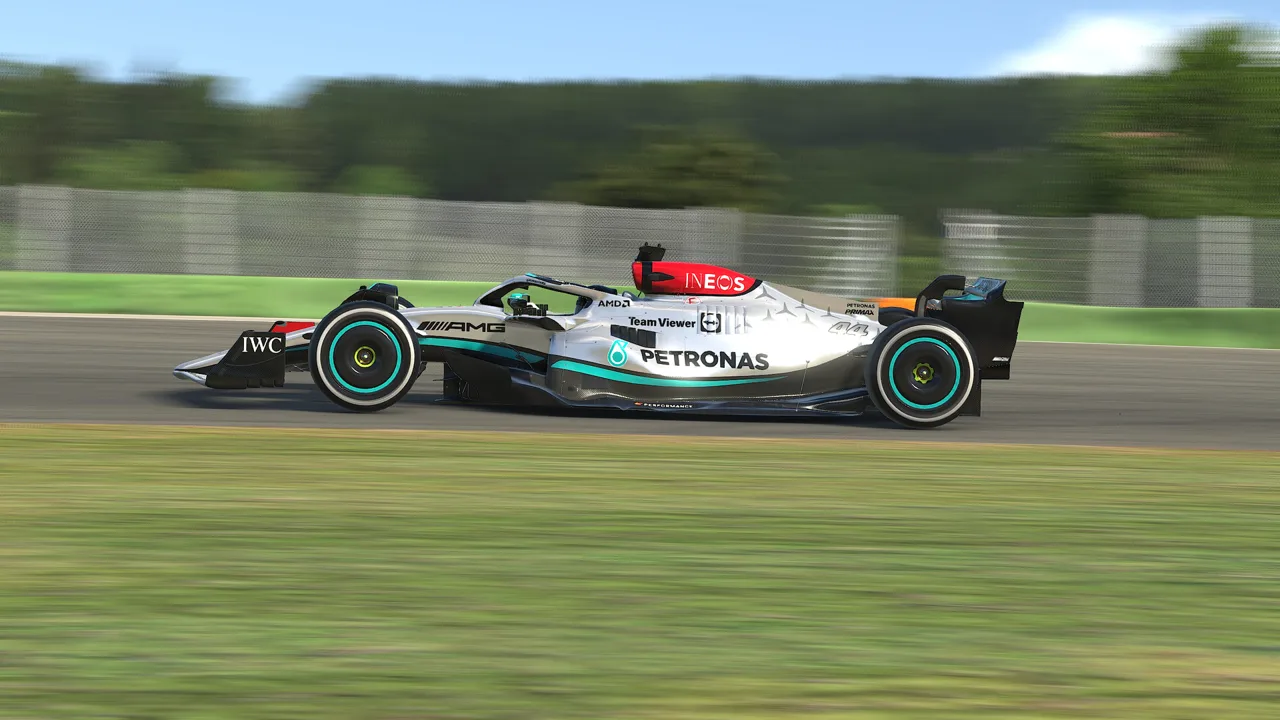 Image: Steam / iRacing.com Motorsport Simulations
Rookie: Start With the Global Mazda MX-5 Cup
The MX-5 provides a route into Sports Car racing using a car included with membership.
Practice smooth braking and throttle application, then work on staying predictable around other drivers. Give cold tires time to build grip rather than demanding your fastest pace immediately after leaving the pits.
Your promotion target is 3.0 SR plus the Rookie participation requirement. Race wins are not required.
D Class: Build Experience in Production Car Racing
The Production Car Sim-Lab Challenge lets you continue developing in the Mazda while learning multiclass traffic.
Different cars sharing the track introduce speed differences and overtaking situations. Check your mirrors, leave space, and avoid sudden line changes when another class approaches.
Other options include the Toyota GR86 and GT4 racing. Choose the car you want to develop rather than switching simply because a new option has become available.
C Class: Continue With the Mazda or Specialize
The Advanced Mazda MX-5 Cup extends the familiar-car route. Staying with the Mazda lets you focus on longer races and cleaner execution without learning another car at the same time.
Other directions include:
- Porsche Cup: A technical challenge without traction control or ABS.
- Sports car multiclass racing: An opportunity to develop in GT4 or learn an LMP3.
- Ring Meister: Racing at the Nürburgring, where clean laps provide many completed corners.
Learn the Nürburgring before choosing it to build SR. Its corner count only helps when you can navigate those corners consistently.
B Class: Develop in GT3 or Prototypes
GT3 racing is a natural destination for drivers interested in modern GT competition.
Learn the car’s braking behavior and traffic management before adding the demands of an IMSA field.
Check the green MPR indicator when choosing races for your next promotion.
A Class: Bring Your Skills Into IMSA
IMSA combines GT3 cars and prototypes, adding class traffic and pit strategy to the driving challenge.
Practice pit entry, fuel planning, and predictable traffic decisions before entering. A faster prototype catching a GT3 car creates a different situation from two drivers fighting for position in the same class.
Check each event’s entry requirements, duration, and schedule before registering or buying content.
How to Gain SR Without Building Bad Racing Habits
Protecting your safety record starts before you join a ranked race. Use Test Drive, separate practice sessions, and AI racing to learn the car and prepare for traffic.
Practice for the Entire Race
Run a sustained stint instead of judging readiness by one fast lap. Repeated off-tracks during practice identify corners that need more work before you add race pressure.
Practice with the conditions available through the series schedule. For open-setup racing, check fuel requirements for the actual event rather than reusing a fixed quantity from another track.
Leave Room During the Opening Laps
Allow extra braking space while the field is compressed and tires are coming up to temperature. Watch beyond the car directly ahead so you can react to trouble earlier.
When a pileup develops, slow down and choose a clear route. Committing to a closing gap risks both contact and an early retirement.
Stay Predictable in Multiclass Traffic
Use mirrors and relative timing to follow approaching cars. Hold a clear line and leave room for an established pass.
Avoid sudden attempts to “help” a faster car by moving across its intended path. Practice these encounters in a familiar car before adding more speed.
Review the Mistake Behind the Incident
After a difficult race, identify the action that produced the incident: braking too late, rushing a rejoin, losing control on cold tires, or attempting a low-percentage pass.
Work on that situation before entering again. A promotion becomes easier to maintain when the driving habits behind it improve.
Plan Purchases Around Your Target Series
All cars and tracks required for Rookie-class racing are included with membership. Start there before purchasing a garage full of faster cars.
Continuing with the Mazda through eligible higher-class series can reduce the need to buy another car early. Inspect the schedule before committing to a series.
Before purchasing content:
- Check the discipline and license requirement.
- Confirm which events count toward your MPR.
- Review the scheduled tracks.
- Choose the car you want to spend time learning.
- Check whether the series uses fixed or open setups.
A higher license expands your options, but it does not require you to abandon a series you enjoy. Keep racing the car that gives you worthwhile competition, even after another class becomes available.
Continue with
 iRacing Competition Guide: Race Smarter, Finish CleanUse this iRacing competition guide to understand ratings, choose races, practice smarter, and master Gen 3 Supercar starts, braking, and tire management.
More in Competition
See all Competition
Continue exploring
Join the community
Official channels for news, updates and player help: